
The concept of real estate brokers traces back to the early 19th century in the United States. While the initial attempts to formally associate brokers with property sales faltered in the late 1890s, these efforts planted the seeds for what would eventually become a structured and essential profession.
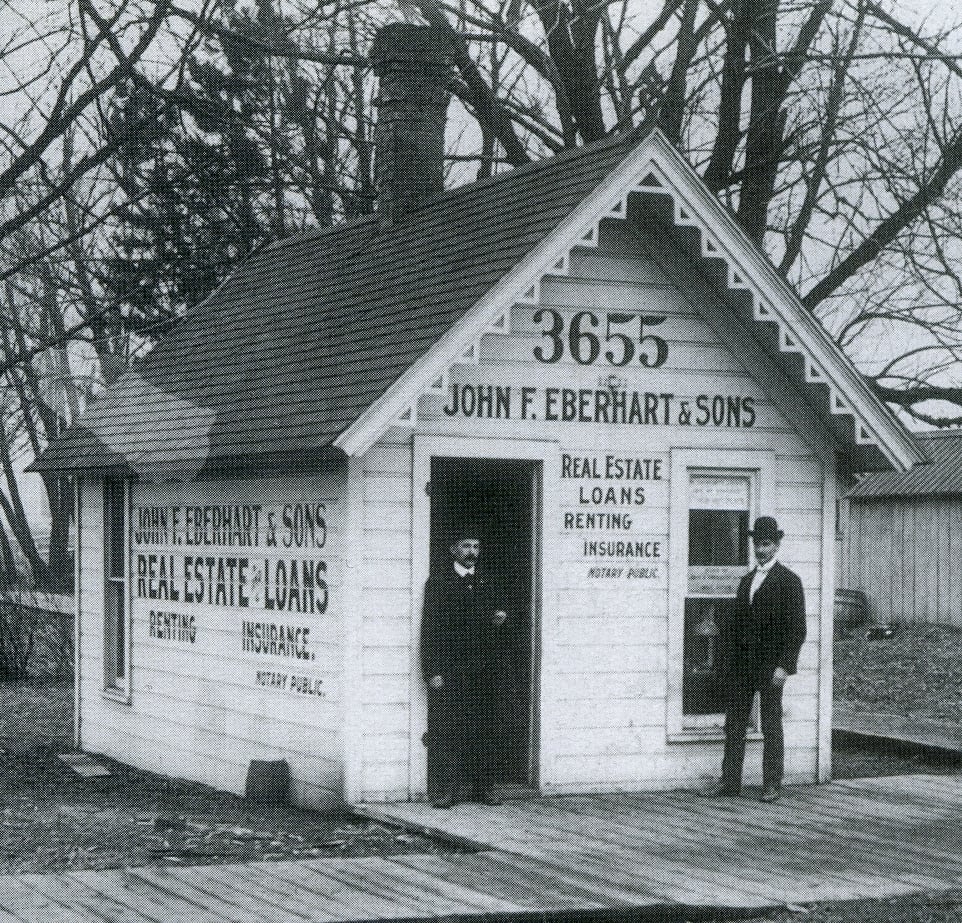
In its infancy, the Real Estate Industry (REI) in the Western world lacked the rules, regulations, and oversight we now take for granted. Prior to the 1920s, there were no licenses, professional certifications, or formal associations to govern brokers. This absence of regulation led to widespread unethical practices, highlighting the urgent need for reform and structure within the industry.
As the system matured, it evolved into a more organized sector. This evolution gave rise to a variety of specialized professions including estate agents, sales agents, property lawyers, revenue officers, valuation experts, and brokerage associations — all working to bring transparency and professionalism to real estate transactions.
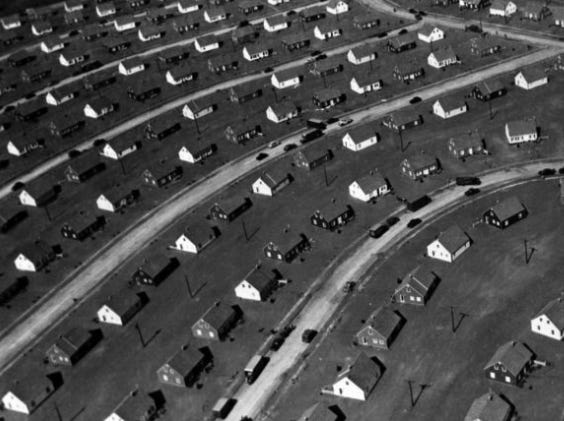
The term “Real Estate Agent” began gaining traction in the late 1920s, but it wasn’t until after World War II that the profession truly flourished. With returning soldiers eager to settle down and start families, the post-war housing boom of the 1940s fueled a surge in home buying — and in turn, demand for qualified real estate sales professionals skyrocketed.
While the Western world began formalizing and reforming the REI in the 19th century, systems of land ownership and landlordism had already existed for centuries in the East. In 17th and 18th century India, under the Mughal Empire, the ‘zamindari‘ (ownership) system was a prominent example. ‘Zamindars‘ typically upper-caste Hindus that acted as landowners who lent money to farmers, laborers, and peasants. When borrowers were unable to repay their debts, either principal and/or interest, they would often claim ownership of the land, effectively transferring property through debt traps.
This practice, though specific in its cultural context, echoed similar systems seen even earlier in ancient civilizations. The Greeks and Romans in the 6th and 7th centuries also had structured approaches to land distribution and ownership, often linked to social power and political control.
Across time and geography, the methods may have differed, but the theme remained: land ownership was frequently obtained through exploitative or unethical means. In many cases, property changed hands through manipulation or coercion rather than fair or legal trade.
From a loosely defined role to a cornerstone of the housing industry, real estate brokers have played a pivotal part in shaping the way we buy and sell property today.
For a confidential conversation, feel free to connect with an ethical licensed Real Estate Buyers’ Agent. At The Property Geek, our team of experienced professionals are always happy to chat and offer guidance. You can reach us by email at info@thepropertygeek.com.au, or call, text, or WhatsApp us on+61 450 888 444.
Don’t hesitate to comment below if you like this article –or– if you like us write about a particular topic.